Digital marketing is the promotion of products, services, or brands through digital channels such as websites, search engines, social media, email, and mobile applications. Its primary goal is to reach target audiences, generate leads, increase sales, and build customer relationships. Key Components
- Search Engine Optimization (SEO) – Improving website visibility in search engine results.
- Search Engine Marketing (SEM/PPC) – Paid advertising on search engines.
- Social Media Marketing – Promoting content and engaging audiences on platforms like Facebook, Instagram, and LinkedIn.
- Content Marketing – Creating valuable content such as blogs, videos, and infographics.
- Email Marketing – Sending targeted messages to prospects and customers.
- Affiliate Marketing – Partnering with individuals or businesses to promote products for a commission.
- Influencer Marketing – Collaborating with influential personalities to reach specific audiences.
Benefits
- Global reach and wider audience access
- Cost-effective compared to traditional marketing
- Measurable results through analytics
- Personalized customer targeting
- Higher engagement and conversion opportunities
- Customer taregeting
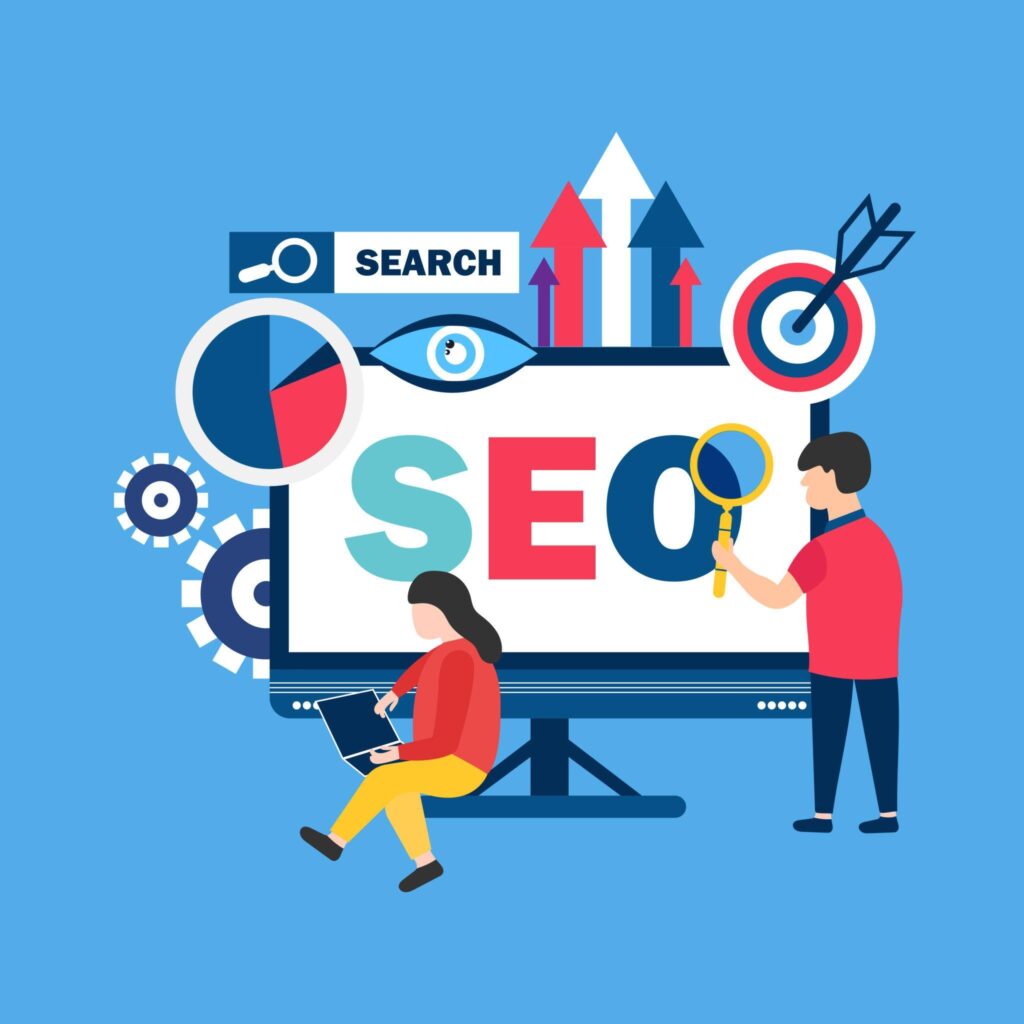
Key Components
- Search Engine Optimization (SEO) – Improving website visibility in search engine results.
- Search Engine Marketing (SEM/PPC) – Paid advertising on search engines.
- Social Media Marketing – Promoting content and engaging audiences on platforms like Facebook, Instagram, and LinkedIn.
- Content Marketing – Creating valuable content such as blogs, videos, and infographics.
- Email Marketing – Sending targeted messages to prospects and customers.
- Affiliate Marketing – Partnering with individuals or businesses to promote products for a commission.
- Influencer Marketing – Collaborating with influential personalities to reach specific audiences.
Benefits
- Global reach and wider audience access
- Cost-effective compared to traditional marketing
- Measurable results through analytics
- Personalized customer targeting
- Higher engagement and conversion opportunities
Key Components
- Search Engine Optimization (SEO) – Improving website visibility in search engine results.
- Search Engine Marketing (SEM/PPC) – Paid advertising on search engines.
- Social Media Marketing – Promoting content and engaging audiences on platforms like Facebook, Instagram, and LinkedIn.
- Content Marketing – Creating valuable content such as blogs, videos, and infographics.
- Email Marketing – Sending targeted messages to prospects and customers.
- Affiliate Marketing – Partnering with individuals or businesses to promote products for a commission.
- Influencer Marketing – Collaborating with influential personalities to reach specific audiences.
Benefits
- Global reach and wider audience access
- Cost-effective compared to traditional marketing
- Measurable results through analytics
- Personalized customer targeting
- Higher engagement and conversion opportunitie

1. Search Engine Optimization (SEO)
SEO is the process of improving a website so that it appears higher in search engine results. Better rankings help businesses attract more organic (free) traffic.
Benefits:
- Higher website visibility
- Increased organic traffic
- Better brand credibility
2. Social Media Marketing (SMM)
Social media marketing involves promoting a business on platforms such as Facebook, Instagram, LinkedIn, and YouTube.
Benefits:
- Brand awareness
- Customer engagement
- Lead generation
- Increased website traffic
3. Search Engine Marketing (SEM/PPC)
SEM uses paid advertisements that appear on search engines. Businesses pay only when someone clicks on their ad (Pay-Per-Click).
Benefits:
- Instant visibility
- Fast lead generation
- Highly targeted audience
4. Content Marketing
Content marketing focuses on creating valuable content that educates, entertains, or solves customer problems.
Examples include:
- Blog articles
- Videos
- Infographics
- E-books
- Case studies
Good content helps build trust and improves SEO performance.
5. Email Marketing
Email marketing is one of the highest ROI digital marketing strategies. Businesses send newsletters, promotional offers, and personalized messages directly to customers.
Advantages:
- Customer retention
- Product promotions
- Personalized communication
- Higher conversion rates
5. Email Marketing
Email marketing is one of the highest ROI digital marketing strategies. Businesses send newsletters, promotional offers, and personalized messages directly to customers.
Advantages:
- Customer retention
- Product promotions
- Personalized communication
- Higher conversion rates
5. Email Marketing
Email marketing is one of the highest ROI digital marketing strategies. Businesses send newsletters, promotional offers, and personalized messages directly to customers.
6. Affiliate Marketing
Affiliate marketing allows businesses to partner with individuals or websites that promote their products in exchange for a commission on successful sales
7. Influencer Marketing
Brands collaborate with influencers who have loyal audiences to promote products or services through authentic content.