

“AI writing tools are transforming content creation in today’s digital age by making the process faster and easier. Whether you are a beginner or an experienced creator, AI writing tools can significantly improve your productivity and efficiency. In this guide, we will explore the best AI writing tools step by step.”
We will use the following AI writing tools to create content:”

What Are AI Content Writing Tools?
AI content writing tools are software that use artificial intelligence to generate human-like text. These tools can help you:
- Write blog posts
- Create social media captions
- Generate ideas
- Improve grammar and readability
- note- https://aictools.com/wp-admin/post.php?post=1743&action=edit
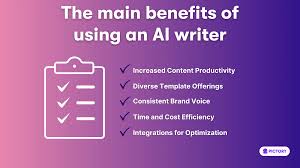
Benefits of Using AI for Content Writing
1.AI for Content Writing Saves Time
AI tools like ChatGPT can generate articles, captions, or scripts in minutes.
👉 You can create more content in less time.
2.AI for Content Writing Cost-Effective
You don’t always need to hire multiple writers.
👉 AI reduces content creation costs while increasing output.
3. AI for Content Writing Improves Writing Quality
Tools like Grammarly fix grammar, spelling, and tone.
👉 Your content becomes more professional and polished.
4. AI for Content Writing Helps Generate Ideas
AI can suggest:
- Blog topics
- Headlines
- Content outlines
5.AI for Content Writing SEO Optimization
AI helps with:
- Keywords
- Meta descriptions
- Headings structure
👉 Improves chances of ranking on Google.
6.AI for Content Writing Increases Productivity
You can write blogs, emails, and social posts faster.
👉 Perfect for students, bloggers, and marketers.
7. AI for Content Writing Personalized Content
AI can tailor content for specific audiences.
👉 Makes your writing more engaging and relevant.
8. AI for Content Writing Maintains Consistency
AI keeps tone and style uniform across multiple articles.
👉 Important for branding and blogs.
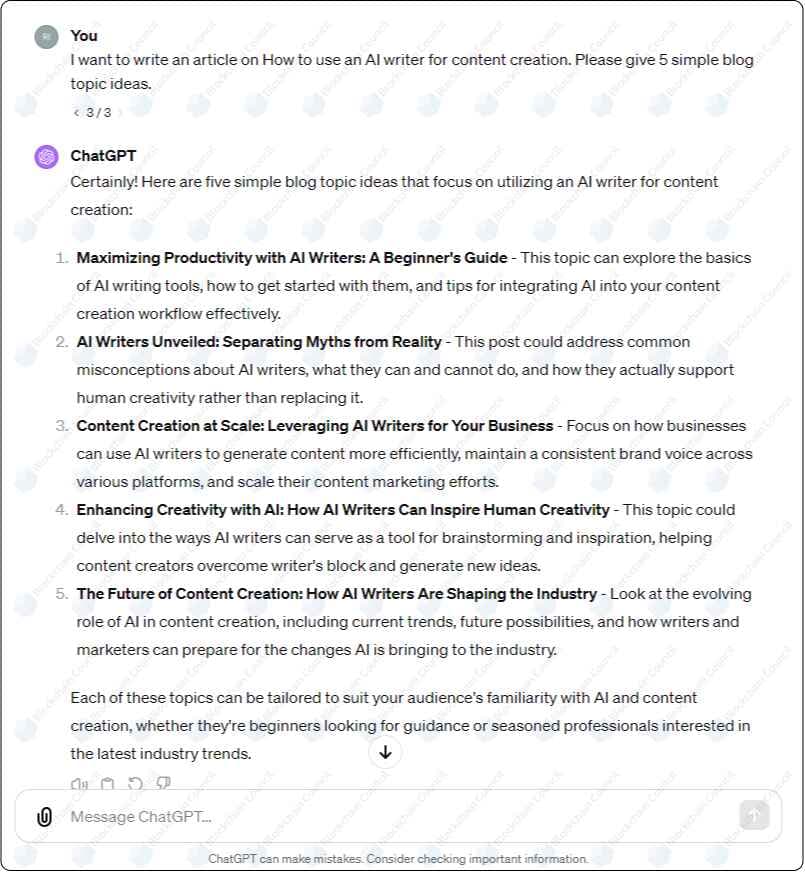
Step 1: How to Use ChatGPT to Find Blog Topics?
Begin by focusing on your area of expertise or interest. Be as specific as possible to get targeted topic suggestions.
- Present ChatGPT with seed ideas or questions. For example, you might ask, “What are emerging trends of AI in content writing??” ChatGPT can use this to generate a list of fresh, relevant topics.
- Once you have a base topic, ask ChatGPT for different angles on the same subject. This can help you come up with multiple posts around one central theme, perfect for a series.
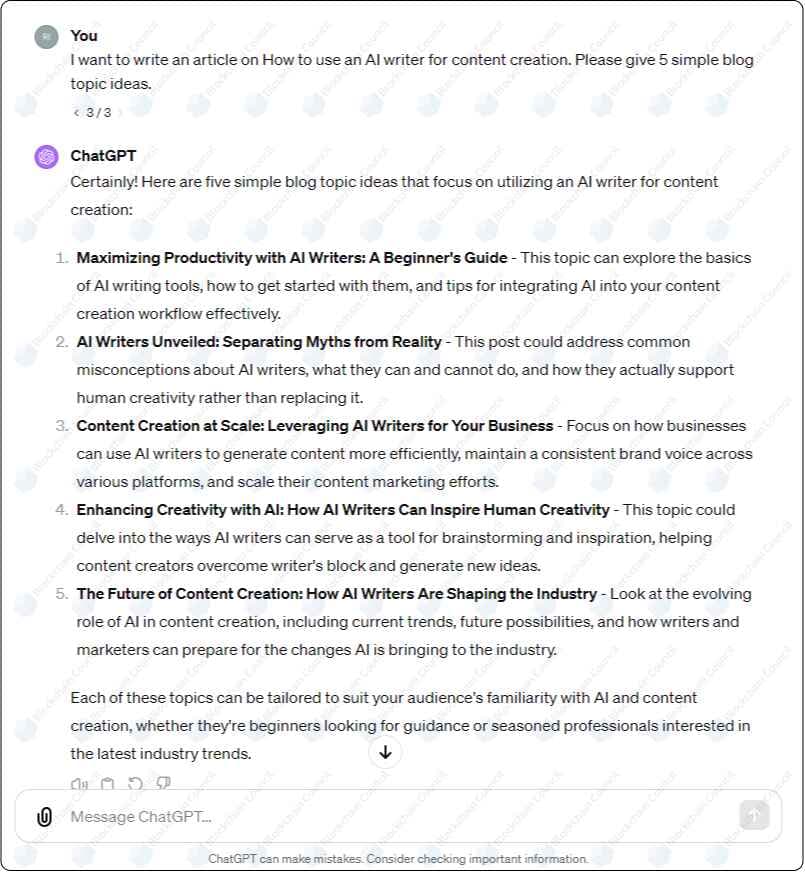
- Use ChatGPT to find out what questions people are asking about your niche. Type in, “How to use an AI writer for content creation?” and get a goldmine of potential blog topics.
Step 2: How to Use ChatGPT to Create a Content Brief
Tell ChatGPT your chosen topic and what you aim to achieve with your content. Whether it’s to inform, persuade, or entertain will shape the direction of your brief.
- Ask ChatGPT to outline key points that should be covered in the article. This will form the skeleton of your content and ensure you hit all the critical areas.
- Request that ChatGPT provides the latest research or stats on your topic. Make sure to double-check these facts since AI’s knowledge may be outdated.
- Have ChatGPT suggest a list of potential H2 and H3 headings to give structure to your content. You can then expand these into more detailed points.
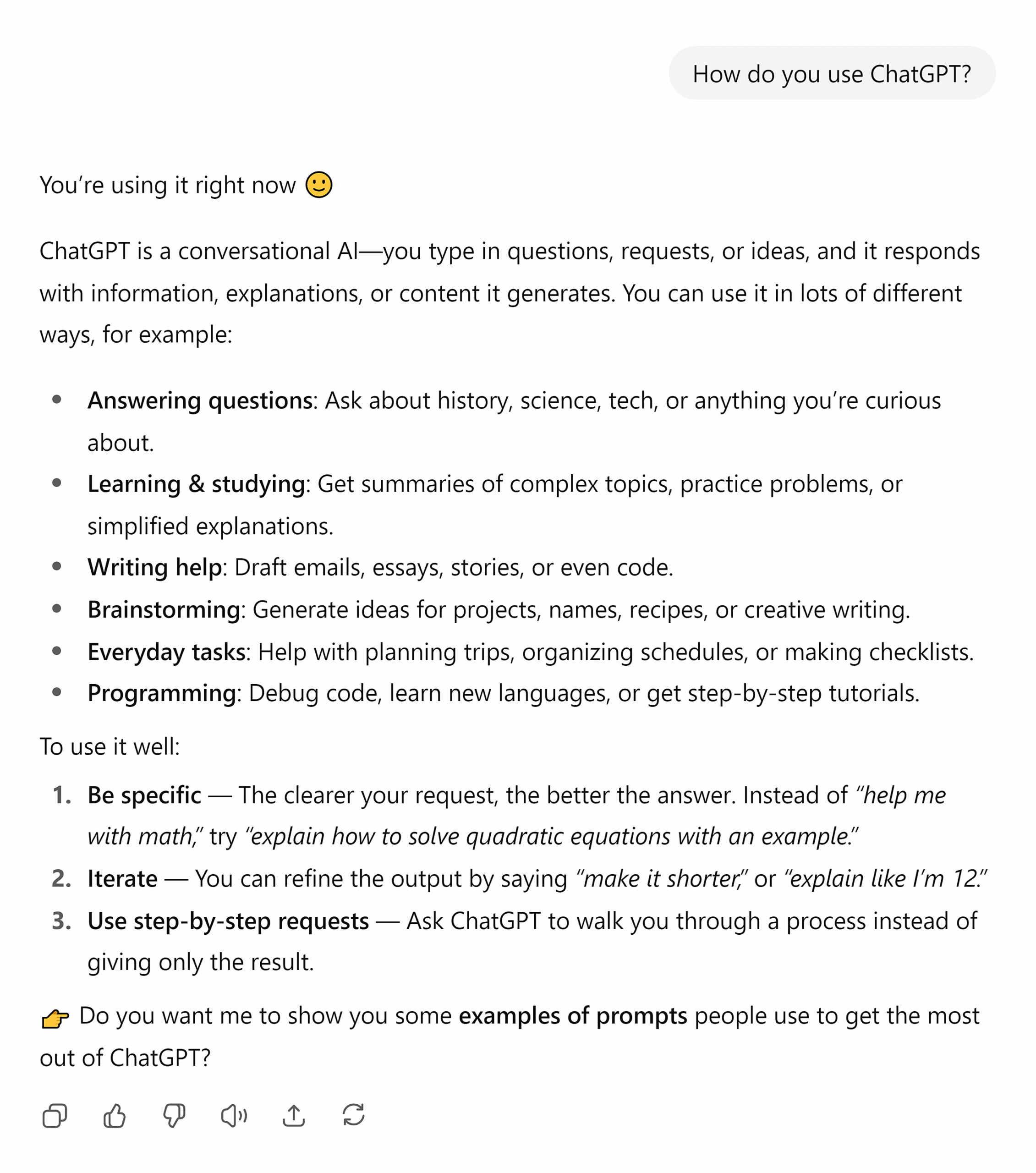
Step 3: How to Use ChatGPT for Keyword Research?
Keyword research is a foundational step in content creation that involves identifying popular words or phrases people type into search engines. These keywords help shape content, ensuring it meets the needs and interests of your audience, ultimately improving your visibility in search engine results.
- Begin by pinpointing the subject area you intend to explore. This clarity helps in directing the AI to provide more relevant keyword suggestions.
- Engage ChatGPT by describing your topic and asking for keyword suggestions.
- ChatGPT will offer a variety of keywords and phrases. Some will be broad, others more niche. Assess these suggestions to identify those most relevant to your content goals.
- To deepen your keyword pool, ask ChatGPT for related topics or questions people might have about your main keywords. This step often unveils long-tail keywords, which are longer and more specific phrases known to attract a more targeted audience.
- Not all keywords are equally valuable. Prioritize based on relevance, search volume, and competition. ChatGPT can help by providing insights into the popularity or usage context of these keywords.
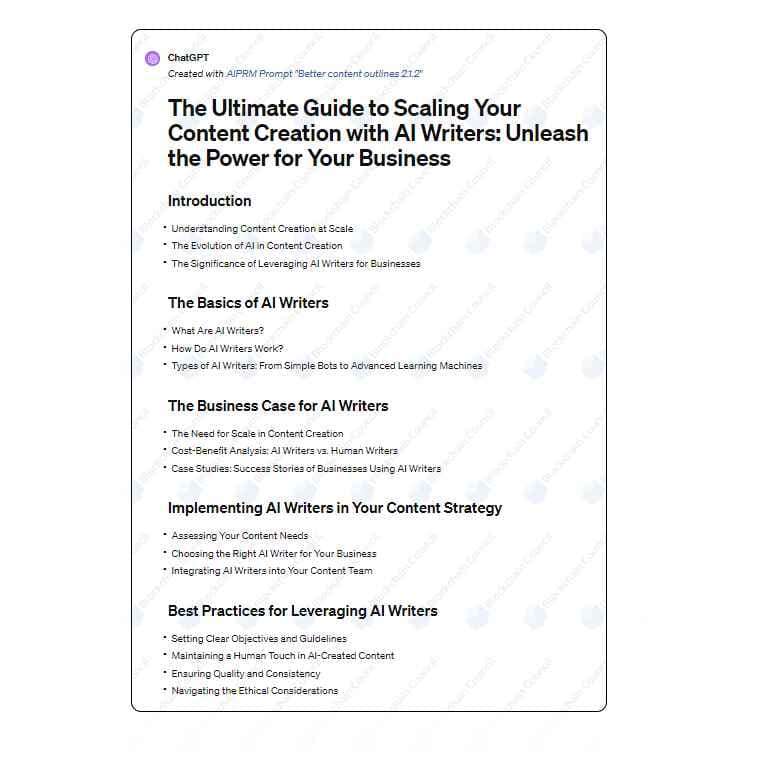
Step 4: How to Use AIPRM extension with chatgpt to generate article Outline?
AIPRM is a powerful extension designed to enhance ChatGPT’s functionality.
- Start by adding the AIPRM extension to your browser. Ensure it’s compatible with your version of ChatGPT.
- Once installed, open AIPRM’s settings. You can customize it to better suit your content generation process, such as setting it to focus on content outlines or specific content types like blogs or articles.
- AIPRM offers a variety of templates. Choose the one designed for article outlines. This template prompts ChatGPT to structure content in a coherent and logical manner, including headers, subheaders, and key points.
- With AIPRM configured, go to ChatGPT and type in your article topic. Include any specific instructions or focuses you want the outline to cover. AIPRM will interpret these instructions and guide ChatGPT accordingly.

- The initial outline provided may not be perfect. Review it for flow, relevance, and completeness. You can ask ChatGPT for adjustments or further elaboration on specific sections. AIPRM helps streamline this process, ensuring the outline remains aligned with your goals.
Step 5: How to Write an Article Using ChatGPT?
The quality of output you get from ChatGPT heavily depends on how you formulate your prompts. Be specific about the topic, tone, and structure you desire. Specify the desired article length, and any key points that must be included.

Once you have a draft, it’s time to refine it. Ensure your article has a clear introduction, body, and conclusion.
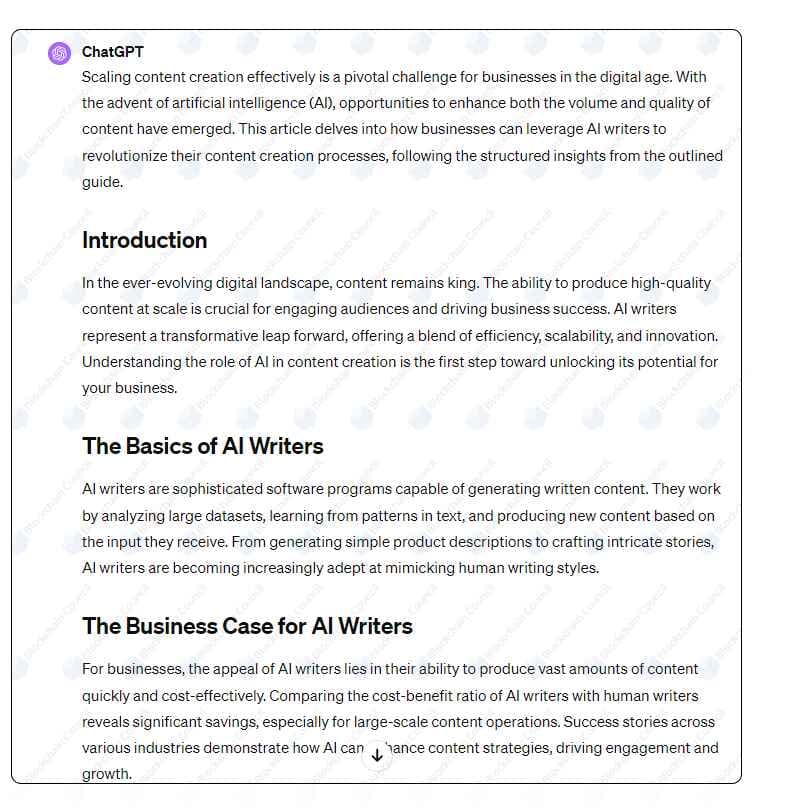
Use headers (H2, H3) to organize sections logically, making the content easier to navigate. This structure not only aids readability but also aligns with SEO best practices, enhancing your article’s discoverability.
Now, it’s time to tweak the keywords that we got earlier. Let’s use ChatGPT to tweak the keywords in the article in a natural way.
Step 6: How to Humanize Content Using Humanizer Pro?
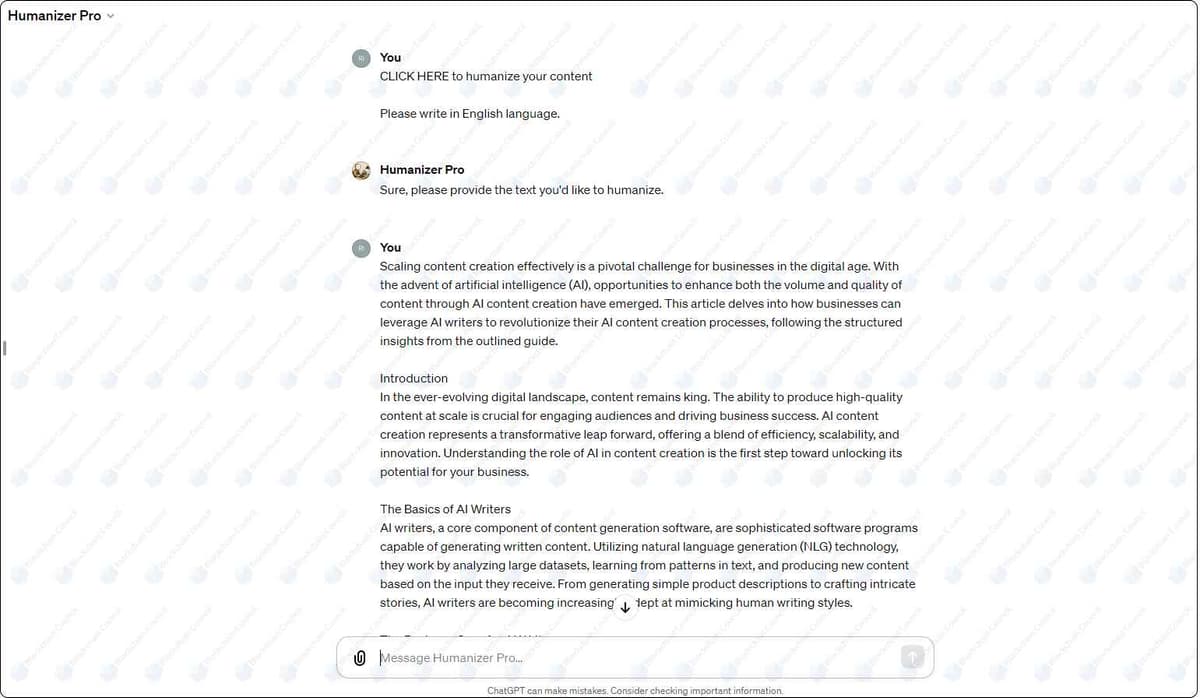
Humanizer Pro is a ChatGPT tool designed to refine AI-generated content to resemble human writing more closely, aiming to bypass AI detection systems. It maintains the original content’s meaning and quality while transforming it to avoid detection by advanced AI detector. This tool, available in the GPT Store and developed on the GPT-4 model, supports various functionalities including web browsing, DALL·E image generation, and code interpretation, making it versatile for different content creation needs.
Here’s how you can use it to humanize the AI-generated content:
Optimize it for SEO
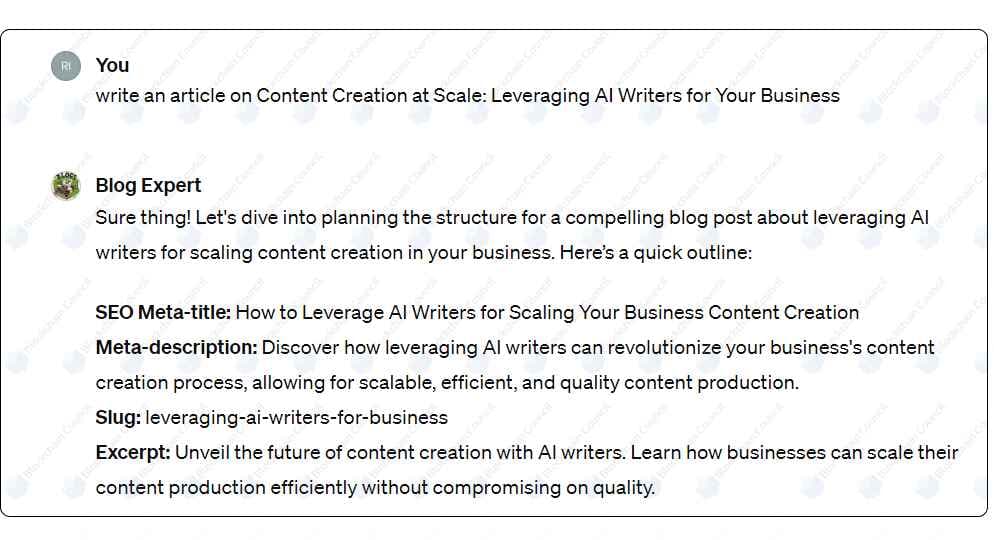
Now, let’s use another custom GPT “Blog Expert” to generate meta title, meta description, and slug for the article:
Step 7: Use Grammarly to Review Your Article
Grammarly is a digital writing assistant that offers more than just spell checking. It analyzes your writing to provide comprehensive feedback, aiming to improve your grammar, punctuation, style, and even the overall clarity of your message. Using advanced AI algorithms, it suggests real-time improvements that can significantly elevate the quality of your content.
- Paste the article on Grammarly for any potential grammatical error.
- Customize Grammarly’s settings to align with your article’s objectives. You can set goals based on your audience, formality level, domain, tone, and intent. This tailoring ensures that the suggestions you receive are relevant and effective.
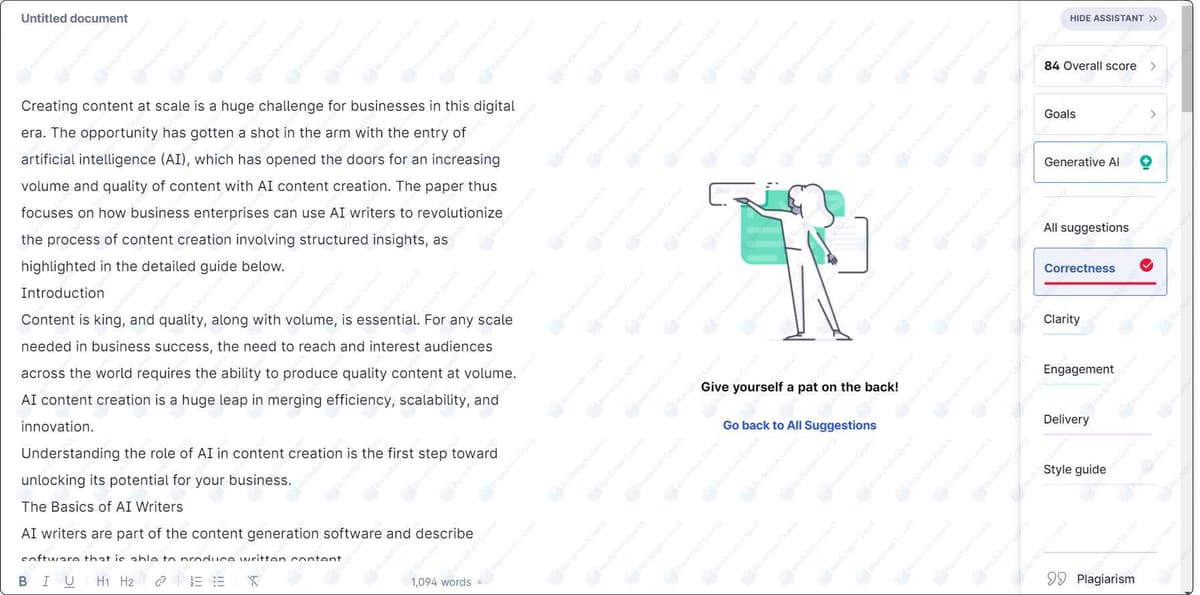
- Grammarly will highlight errors and areas for improvement. These include not only grammar and punctuation but also style and tone adjustments.
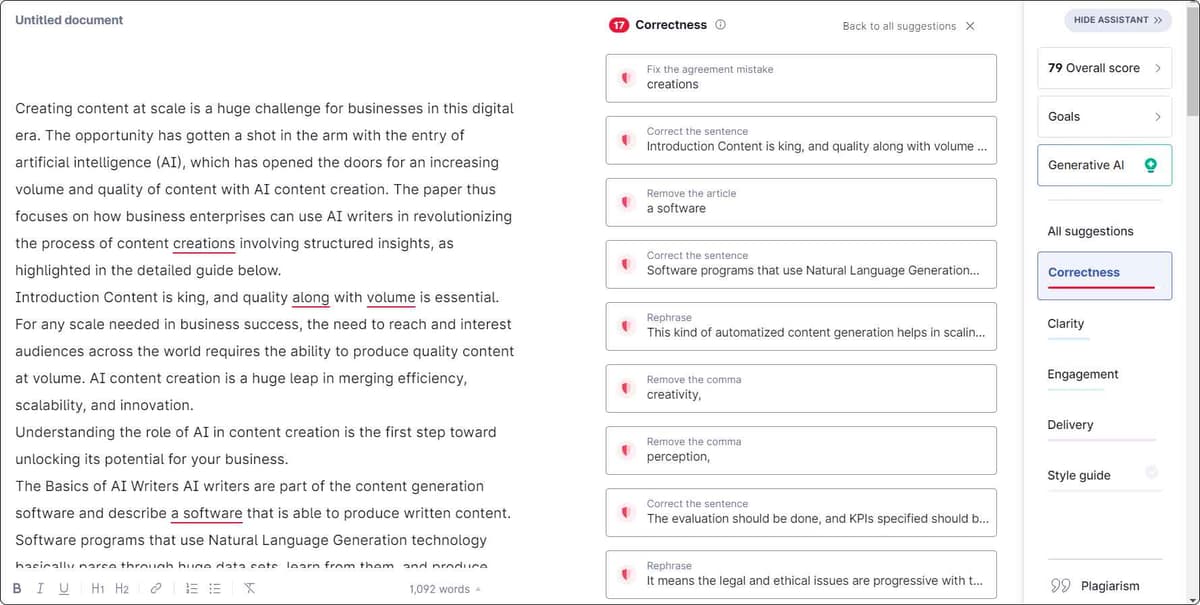
- Take the time to review each suggestion. Grammarly often provides explanations for its recommendations, which can be a learning opportunity.
- Even with Grammarly’s comprehensive review, a final read-through is recommended. This ensures that all changes align with your personal voice and the message you intend to convey.
Step 8: Make Your Article Plagiarism Free with Quetext
Quetext is a leading plagiarism detection tool that compares your content against an extensive database of online sources, academic papers, and documents to identify potential overlaps. Its DeepSearch™ technology goes beyond simple matching, offering context-based analysis to ensure accurate detection of plagiarism.
- After finalizing your article, ensure it’s ready for a plagiarism check. This means having a clean, final copy of your text.
- Copy and paste your article into Quetext’s tool or upload the document file. Initiate the scan. Quetext will analyze your text, comparing it with its vast database to identify any similarities.
- Once the scan is complete, Quetext provides a detailed report highlighting any passages that may be too closely aligned with existing content. It also gives you the percentage of uniqueness.
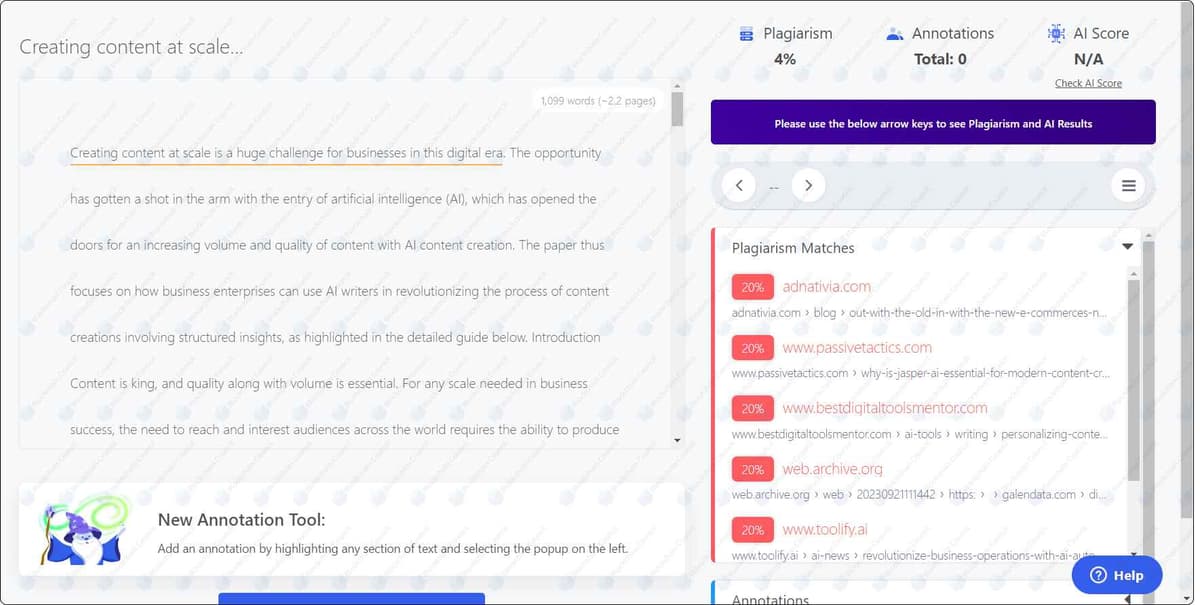
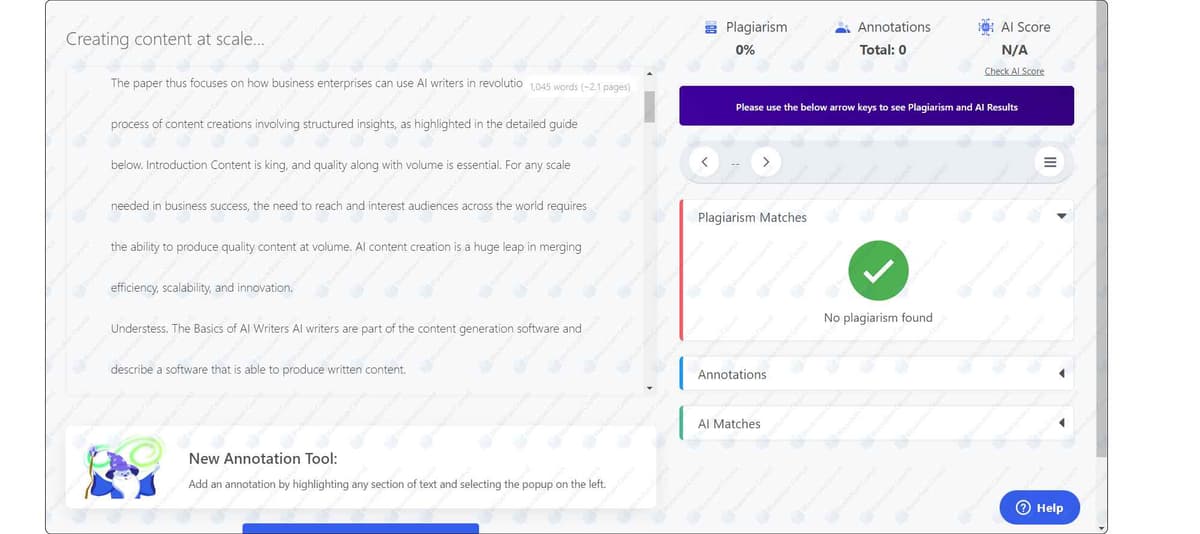
- If any sections of your article are flagged, review them carefully. Quetext often provides the source of the matched content, allowing you to see how your writing compares. Use this information to rewrite any problematic sections, ensuring your content is 100% original.
- After making revisions, it’s wise to run another plagiarism check to confirm that all issues have been addressed. This ensures your content is unique and free of unintentional plagiarism.
Conclusion
In conclusion, harnessing the power of AI tools for content creation offers a multitude of benefits, from generating innovative ideas to streamlining the writing process. By following the step-by-step guide outlined in this article, content creators can leverage AI technologies to produce high-quality, engaging content that resonates with their audience.
From brainstorming blog topics to refining the final draft, each step in the process plays a crucial role in crafting compelling content. By combining the efficiency of AI with human creativity and expertise, content creators can achieve a perfect balance that results in authentic, informative, and plagiarism-free articles.
As the digital landscape continues to evolve, staying ahead of the curve requires embracing innovative tools and technologies. AI-powered content creation is not just a trend but a necessity in today’s competitive market. By mastering these tools and incorporating them into their workflow, content creators can unlock new levels of productivity and creativity while delivering valuable content to their audience.
Ultimately, the key lies in understanding how to effectively utilize AI tools to complement, rather than replace, human ingenuity. By striking this balance, content creators can elevate their writing process, captivate their audience, and establish themselves as authorities in their respective fields. With the right tools and strategies at their disposal, the possibilities for content creation are limitless.